Canada Study Permit
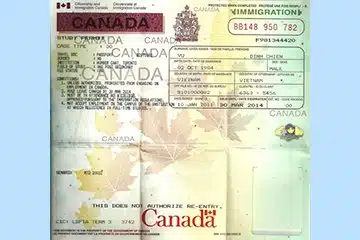
The visa arrangements for studying in Canada make it a risky choice compared to other English-speaking destinations.
- The approval process often takes many months and you are generally required to post original documents.
- On top of that, visa officials will simply return your application if there is a problem with it.
You need to apply for a study permit if you want to study in Canada for 6 months or more. Canada does not use student visas as such. Should you require a visa, you will be issued with a temporary resident (student) visa at the same time as your study permit is approved.

Step 1: Enrol in a course
The first step to obtaining a study permit for Canada is to enrol in a Canadian education institution.
- For university and college, you should apply about a year before you want to start studying.
- Each education institution has specific instructions about how to apply for its courses.
- The school can also inform you about tuition fees, health insurance options, regional living costs and language test requirements.
If accepted as a student, you will be sent a Letter of Acceptance.
- There is a standard format for the Letter of Acceptance that has details about the student, institution and course – including a course start date, duration and tuition fees.
Step 2: Fill out a study permit application

The study permit application is filled out online or by hand. Your local visa application centre is available to assist with the application.
- For some courses, you may be able to fully submit the application online using scanned documents. Otherwise, you can print a completed online application and mail it with supporting documents.
- You can hit a validate button near the top of the online form to check that it is complete and which sections, if any, still need to be filled in.
Evidence of financial support requires, at a minimum, to demonstrate that you can pay tuition and $10,000 for each 12-month period.
You will probably need a medical certificate from a panel physician in your country as part of your application.
A police certificate may also be required and biometric information (fingerprints and photo) if you come from a country on the biometric country list.
Step 3: Pay the fee and submit
Completing the application form may take some time as you need to gather required documents.
- Canadian authorities are very specific about the information they require and will return applications to be re-submitted if there are missing parts or irregularities.
The study permit fee of CAD $150 needs to be paid as part of your application.
Generally, you need to submit original versions of supporting documents. Canadian Immigration states when copies are acceptable.
If your study permit application is approved, you will be issued with a letter of introduction. Use this on arrival in Canada to get a study permit. The letter has your permit reference number and the date by which you need to arrive. You will also be automatically be issued with a temporary resident visa if citizens of your country must produce a visa to enter Canada.
Step 4: Travel to Canada with your documents

- a valid passport or travel document
- the letter of introduction from the visa office that you received when your study permit was approved
- a valid temporary resident visa (if required)
- a copy of the letter of acceptance from the school at which you are permitted to study
- proof that you have enough money to support yourself during your stay
- letters of reference or any other documents recommended by the visa office where you applied.
You need to show documents to a visa officer at the port of entry to be issued with your study permit.